← Back to Apovian Springs
Apovian Springs Journal
Why Can We Supply Medicine Without a Prescription?
10 December 20245 min read
The typical way prescriptions work is that a person visits a doctor with a particular issue. The doctor diagnoses the condition and, if necessary, prescribes treatment that a local pharmacy will dispense. This is the standard pathway for medication, but it is not the only way medicines can be supplied.
In 2024, the Community Pharmacy Scheme was introduced, allowing people with seven common conditions (including weight gain) to be examined by specially trained community pharmacists. These pharmacists can, when required, supply prescription only medicines, as well as provide advice and recommend over the counter options when appropriate.
At Apovian Springs, we have community pharmacists, pharmacist independent prescribers (PIPs), and dispensing doctors. These professionals can both prescribe and dispense medication within legal guidelines.
Finally, in emergency situations, pharmacists are permitted to provide emergency medication if there is an immediate need, no way to obtain a prescription through the usual channels, and the medication has been previously prescribed to the patient.
Important: Eligibility, prescribing, dispensing, and documentation requirements depend on the patient, the medicine, and the applicable law.
Weight Management
Zepbound® (Tirzepatide): What Patients Should Know
10 December 20245 min read
Zepbound® contains tirzepatide, a prescription medicine used with a reduced-calorie diet and increased physical activity for eligible adults managing obesity or overweight with weight-related health conditions.
How it works
Tirzepatide acts on GIP and GLP-1 pathways involved in appetite, fullness, and blood-sugar regulation. By supporting these signals, it may help some patients eat less and maintain a structured weight-management plan.
What to discuss with a clinician
A clinician should review your medical history, current medicines, weight-related conditions, and treatment goals before prescribing. Dose changes are gradual and individualized; Zepbound is not a substitute for nutrition, movement, or ongoing follow-up.
Safety and side effects
Digestive effects such as nausea, diarrhea, constipation, or vomiting can occur. Tell your clinician about severe or persistent symptoms and any relevant history, including problems involving the pancreas, gallbladder, kidneys, or thyroid.
Note: Zepbound is not appropriate for everyone. Do not start, stop, combine, or change treatment without qualified medical guidance.
Weight Management
Wegovy® (Semaglutide): A Guide to Medical Weight Management
10 December 20245 min read
Wegovy® contains semaglutide, a GLP-1 receptor agonist prescribed for chronic weight management in eligible patients. It is used alongside a reduced-calorie eating plan and increased physical activity.
How it works
Semaglutide helps activate GLP-1 receptors involved in appetite and digestion. Patients may feel fuller sooner and experience less hunger, although response differs from person to person.
Building a complete plan
Medication works best as part of an individualized plan that includes balanced meals, adequate hydration, regular activity, sleep, and follow-up appointments. Your clinician can assess progress and adjust treatment safely.
Safety and side effects
Nausea, vomiting, diarrhea, constipation, and other digestive symptoms may occur. Discuss your medical history and all medicines with a clinician, and seek advice for severe or persistent symptoms.
Note: Wegovy is not suitable for every person and should only be used with qualified medical guidance.
Metabolic Health
Mounjaro® (Tirzepatide): Understanding the Treatment
10 December 20245 min read
Mounjaro® contains tirzepatide, a prescription medicine that works through GIP and GLP-1 pathways. It is commonly discussed in relation to type 2 diabetes care and metabolic health; suitability depends on the individual clinical situation.
What tirzepatide does
The medicine supports hormone signals involved in blood sugar, appetite, and fullness. Some patients experience reduced hunger and smaller portions, but outcomes vary and treatment must be personalized.
What assessment includes
A clinician may review glucose history, weight, other conditions, current medicines, and personal goals. Nutrition, physical activity, and regular monitoring remain important parts of care.
Possible side effects
Digestive symptoms, including nausea, diarrhea, constipation, and vomiting, are possible. Report concerning symptoms promptly and never alter the dose without medical advice.
Note: Mounjaro should be used and monitored by a qualified healthcare professional.
Weight Management
Saxenda® (Liraglutide): How It Supports Weight Management
10 December 20245 min read
Saxenda® contains liraglutide, a GLP-1 medicine prescribed with a reduced-calorie diet and increased physical activity for eligible patients managing obesity or overweight with weight-related health concerns.
How it works
Liraglutide acts on appetite-related GLP-1 receptors and can help support feelings of fullness. Saxenda is administered by injection according to an individualized schedule provided by a clinician.
Healthy habits still matter
Medication is one part of care. Balanced meals, hydration, regular movement, sleep, and follow-up support help create a more sustainable plan.
Safety and side effects
Nausea, vomiting, diarrhea, constipation, headache, and fatigue may occur. Discuss risks, other medicines, and your medical history before treatment.
Note: Saxenda should be used only when appropriate.
Metabolic Health
Ozempic® (Semaglutide): Understanding Its Role in Care
10 December 20245 min read
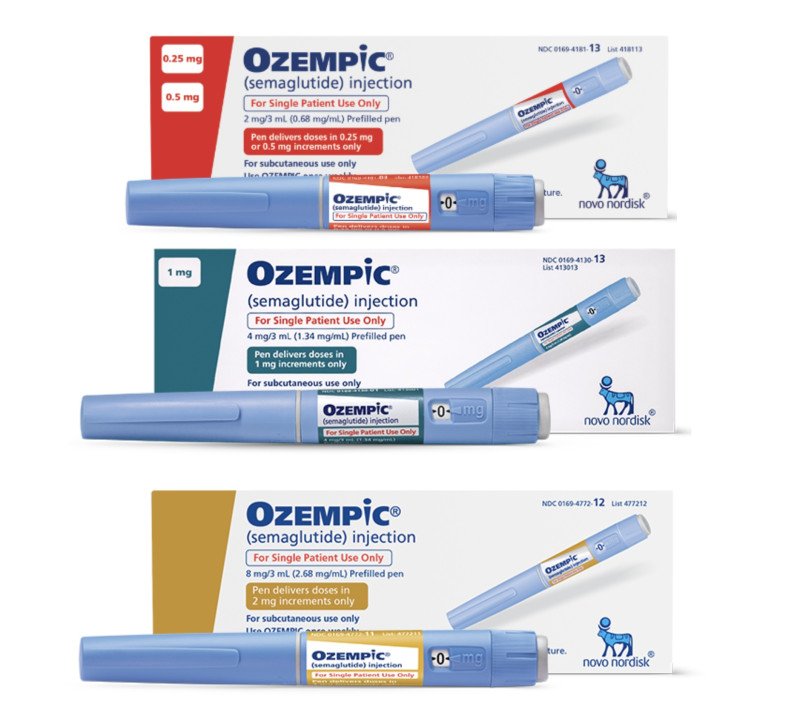
Ozempic® contains semaglutide, a GLP-1 receptor agonist prescribed for eligible adults with type 2 diabetes. It may also be discussed in broader metabolic-health conversations, but the correct medicine and indication depend on a clinician’s assessment.
How it works
Semaglutide helps support blood-sugar regulation and can influence appetite and digestion. It is used as part of a broader treatment plan rather than as a standalone replacement for medical care.
What a clinician reviews
Your clinician may consider blood-sugar history, other conditions, current medicines, kidney and gastrointestinal health, and treatment goals before prescribing or adjusting therapy.
Safety and follow-up
Digestive symptoms may occur, and serious or persistent symptoms require prompt medical advice. Use only the prescribed product and dose, and do not use compounded or unverified medicines without professional guidance.
Note: Ozempic is not a general-purpose weight-loss product and should only be used for an appropriate clinical indication.
Hair Enhancement
How Rogaine® Works: The History and Science Behind Minoxidil
10 December 20245 min read

ROGAINE® is a topical hair-regrowth brand formulated with minoxidil. It became known after researchers discovered that minoxidil, originally investigated for other medical uses, was associated with renewed hair growth. That observation led to years of research into topical scalp formulations for hereditary hair loss in men and women.
What makes minoxidil work?
Hereditary hair loss is influenced by genetics, hormones, and age. Over time, affected follicles can become smaller and produce shorter, finer hairs. Topical minoxidil helps reactivate and support these follicles, while extending the active growth phase of the hair cycle so new growth may become thicker and fuller.
Starting early can matter
Because untreated hereditary hair loss can progress through repeated growth cycles, beginning treatment after thinning is noticed may give a person a better opportunity to support existing follicles. Rogaine’s supplied information emphasizes that earlier attention is preferable to waiting until substantial hair loss has occurred.
When can results appear?
Visible improvement is gradual. The supplied product information indicates that some users may begin noticing results after approximately three to four months of consistent use, with continued use supporting ongoing coverage. Individual response varies, and treatment should follow the product directions.
Evidence for men and women
In a four-month placebo-controlled clinical study, 9 out of 10 men using men’s ROGAINE® foam twice daily noticed results. In a six-month placebo-controlled study, more than 80% of women using women’s ROGAINE® foam once daily increased their hair count. These study results describe groups of participants and do not guarantee the same outcome for every individual.
Practical care and safety
Use only the amount and frequency stated on the product label. Applying extra product does not ensure faster regrowth. A satin pillowcase may be gentler on fragile hair than rougher fabrics, but it does not replace treatment. Sudden, patchy, painful, or unexplained hair loss should be assessed by a healthcare professional before starting a hair-regrowth routine.
Important: Rogaine may be not suitable for everyone, and results may differ. Read the product labeling and speak with a qualified healthcare professional about allergies, scalp conditions, current medicines, and persistent or concerning reactions.
Hair Enhancement
Happy Head Advanced Formula: A Personalized Topical Routine
10 December 20245 min read

A topical hair-support formula may be considered when a person wants a targeted routine without beginning with an oral treatment. The ingredients, strength, and application schedule should be selected after a clinician reviews the pattern of hair loss, medical history, allergies, and current medicines.
What to expect
Topical programs are not instant solutions. Consistent use and periodic review are important, and results vary. A clinician can explain the expected timeline, application technique, and what to do if irritation or other symptoms develop.
Important: This article is educational and does not establish eligibility or guarantee results. Discuss prescription-strength hair treatments with a qualified clinician.
Hair Enhancement
Happy Head SuperSolution: Understanding Topical Hair Support
10 December 20245 min read
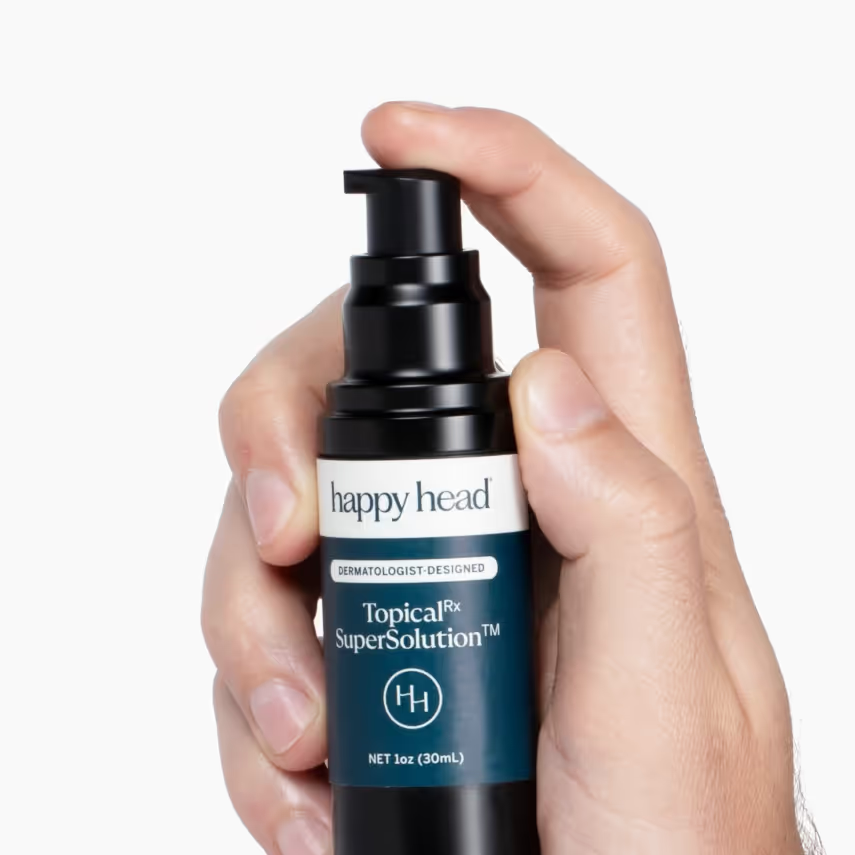
Happy Head SuperSolution is presented as a topical option for people exploring physician-guided hair support. A personalized recommendation should take account of the person’s hair-loss pattern, scalp condition, health history, and treatment goals.
Personalized guidance matters
Topical treatment may require regular application over time. A clinician can review how to use the product, discuss possible irritation or sensitivity, and decide whether the formula remains appropriate during follow-up.
Important: Individual experiences are not a promise of results. Consider seeking professional advice before starting prescription-strength treatment.
Hair Enhancement
Topical Dutasteride and Minoxidil: Clinical Considerations
10 December 20245 min read

Topical dutasteride and minoxidil may be considered for certain hair-loss patterns, but dutasteride is a prescription-strength ingredient and requires eligibility screening. A clinician should review medical history, allergies, current medicines, and the degree and type of hair loss before recommending treatment.
Use and monitoring
Some providers recommend gradually introducing topical dutasteride to help assess tolerance. Side effects associated with oral dutasteride may still be possible with topical use, and sensitivity differs between patients. Follow the prescribed instructions and report concerning symptoms.
Prescription guidance: This treatment may be not appropriate for everyone. The information here is not a substitute for medical advice.